Why so many interviews get off to a bad start
- Nerves distort the picture. Someone who meets the format for the first time on the day comes across worse than they actually work.
- Reading tips isn't practice. Skimming a list of common questions is nothing like answering them out loud.
- Nobody can coach everyone. Preparing every candidate or consultant one by one takes time your team doesn't have.
How an AI mock interview works
- Built around the role. Questions come from the job posting or the client assignment: skills, situational questions, motivation.
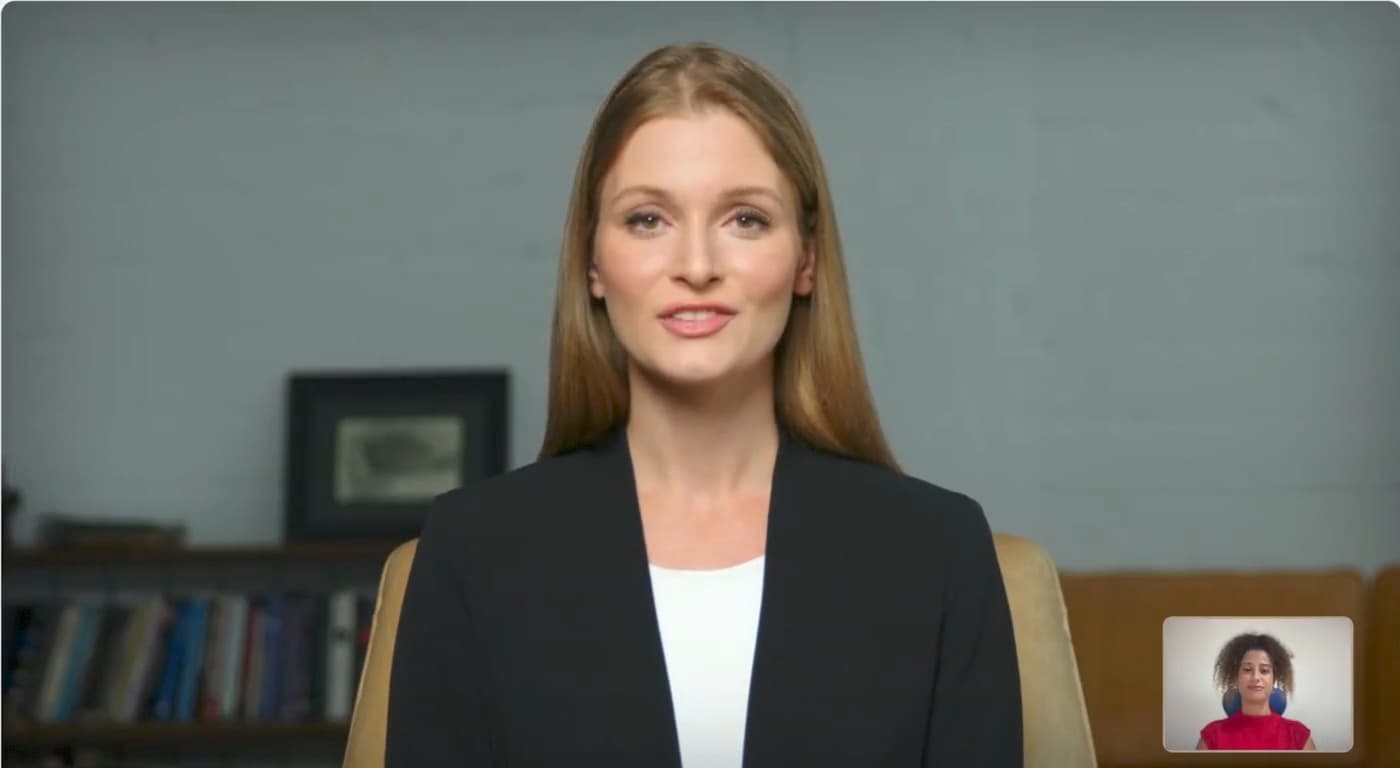
- A video interview with the AI. People practice from their browser, whenever they want. The AI follows up and asks for examples.
- A report to improve on. What landed, what was missing, which questions to prepare. Concrete feedback to reread before the real interview.
What is a mock job interview?
It's a practice interview in conditions close to the real thing: someone across the table, questions tied to the role, follow-ups, a realistic length. Until now you did it with a friend, a coach or a career advisor. With AI, it's available at any hour, for any role, and followed by written feedback.
In Delectus, the mock interview is offered by the company, the recruitment agency or the IT consulting firm to its candidates and consultants, who each receive a personal link.
Who mock interviews are for
IT consulting firms use them to prepare consultants before a client interview. Recruitment agencies use them to prepare candidates before they meet the client. Companies offer them to their candidates, and to employees going for an internal move who want to rehearse before talking to their future manager.
For an agency, a well-prepared candidate shows off the quality of its shortlist. For a consulting firm, it's a consultant with a better shot at being selected. And candidates appreciate being coached rather than simply submitted.
What a mock interview looks like, start to finish
The AI starts by setting the frame: the role, the length, and the fact that this is practice. It then asks the person to walk through their background and follows up on the experience closest to the role.
Then come the role questions: technical, situational or about motivation. At the end, the report appears in the candidate's personal space. It points out what was convincing, which answers lacked examples and which questions to work on before the real interview. It stays separate from hiring evaluations.
Sample questions from a mock interview
For a project manager role, the mock interview might ask:
- “Introduce yourself in a few minutes, focusing on what prepared you for this role.”
- “Tell me about a project that fell behind schedule. What did you do?”
- “How do you handle a disagreement with someone on your team?”
- “What do you know about our business, and why does this role interest you?”
- “What do you expect from your first few months?”
How the mock interview questions are built
For a candidate, the mock interview starts from the job posting and the interview kit prepared for the role: the expected skills, the situational questions, the motivation questions. For a consultant at an IT consulting firm, it starts from the assignment brief and their consultant profile, so they get asked about exactly the experience the client is going to read.
During the conversation, the AI listens to the answer before asking the next question. When a candidate stays vague, it asks for an example. When they mention a project, it asks what they did themselves. That's what makes the exercise feel like a real interview.
For an agency, the mock interview pairs well with the candidate submission profile. The candidate rehearses for the target role, then the recruiter sends the client a profile and a candidate who are both ready.
AI mock interview or human coach: what's the difference?
A coach brings a human eye on body language and tailored advice. A coach is also scarce, expensive and available by appointment only. The AI doesn't replace that on every front. What it does is let people rehearse as often as they need, the night before or that same morning, on the questions for the role they're going for.
The two work well together. Practice with the AI to find the weak spots, then work with a coach or manager on what really needs a human eye.
How to get the most out of a mock interview
Take it in the same conditions as the real interview: somewhere quiet, on video. Answer with real examples, even though it's only practice. Three-word answers or reading prepared scripts won't teach you anything.
Then reread the report and rework the weak answers. Don't start another mock interview right away; wait until you've prepared better answers. The second one is there to check your progress.
Frequently asked questions
What is an AI mock interview?
Speaking practice with an AI that plays the recruiter or the client. It asks questions tailored to the role, follows up the way a real interviewer would and hands back a report.
Can a candidate sign up on their own?
Not for now. The mock interview is offered by a company, an agency or an IT consulting firm to its candidates and consultants, who receive a personal link.
Does the mock interview count toward hiring?
No. It's practice, kept separate from hiring evaluations, and the report is meant for the person practicing.
Are mock interviews actually useful?
Yes, especially for people who haven't interviewed in a long time. Answering out loud helps structure examples and takes the edge off the nerves on the day.
How many mock interviews should you do before an interview?
One to find your weak spots, a second after reworking your answers. Beyond that, you're better off preparing concrete examples than rehearsing lines.
Do mock interviews work for every kind of job?
The questions are built from the job posting or the assignment, so they follow the role, whether it's technical, sales or management.
Do you need a camera for the mock interview?
The mock interview runs on video in the browser, like a remote interview. With a camera and a microphone, it feels close to the real meeting.